

This guide explains how to pick by cause, because dark circles are not one problem. Puffiness needs caffeine and cooling. Pigmentation needs vitamin C and niacinamide. Thin skin that shows blood vessels needs hydration and time, and it will never be fully fixed by a patch. Sleep and SPF matter more than any patch over the long term. The three products below cover the main needs: a hydrogel eye mask for instant brightening, a lift and depuff mask for puffy mornings, and an eye treatment cream for daily care between patch days.
Quick Answer: what are the best under eye patches for dark circles?
The best under eye patches for dark circles are hydrogel patches used on clean skin for 10 to 20 minutes, chosen by cause. For puffiness and tired mornings, pick a depuffing mask with caffeine, such as the goop GOOPGENES Lift and Depuff Eye Masks. For a bright, smooth look before an event, pick a hydrogel eye mask, such as the ELEMIS Pro-Collagen Eye Revive Mask. For daily care, use an eye treatment cream, such as the ELEMIS Pro-Collagen Advanced Eye Treatment, morning and night, and use patches 2 to 3 times a week as a boost.
Expect temporary brightening that lasts 4 to 8 hours, not a permanent change. Patches hydrate and smooth the surface, so light reflects better and the area looks brighter. They do not change your genetics, and they do not remove hereditary dark circles. If your dark circles are mainly from lack of sleep, poor hydration, or sun damage, patches plus better sleep and daily SPF will help more than patches alone. If your dark circles run in your family and have been there since childhood, a patch will still brighten for a few hours, but no patch will make them disappear for good. That is the honest answer, and it is the answer that helps you buy the right product.
Use patches on clean, dry skin, after cleansing and before heavy creams. Leave them on for the time on the listing, usually 10 to 20 minutes, then remove them and pat any remaining serum in gently. Do not leave them on overnight, and do not reuse a pair. Follow with eye cream and moisturizer, and use sunscreen in the morning. Store patches in a cool place if you like a cooling effect, but do not freeze them.
Under eye patches compared
| Product | Best for | Type | When to use |
|---|---|---|---|
| ELEMIS Pro-Collagen Eye Revive Mask | Brightening before an event, tired eyes | Hydrogel eye mask | 2 to 3 times a week, 10 to 20 minutes |
| goop GOOPGENES Lift and Depuff Eye Masks | Puffy mornings, lift and depuff | Hydrogel eye masks | Mornings, before makeup |
| ELEMIS Pro-Collagen Advanced Eye Treatment | Daily eye care, fine lines, firmness | Eye treatment cream | Morning and night, daily |
The three picks
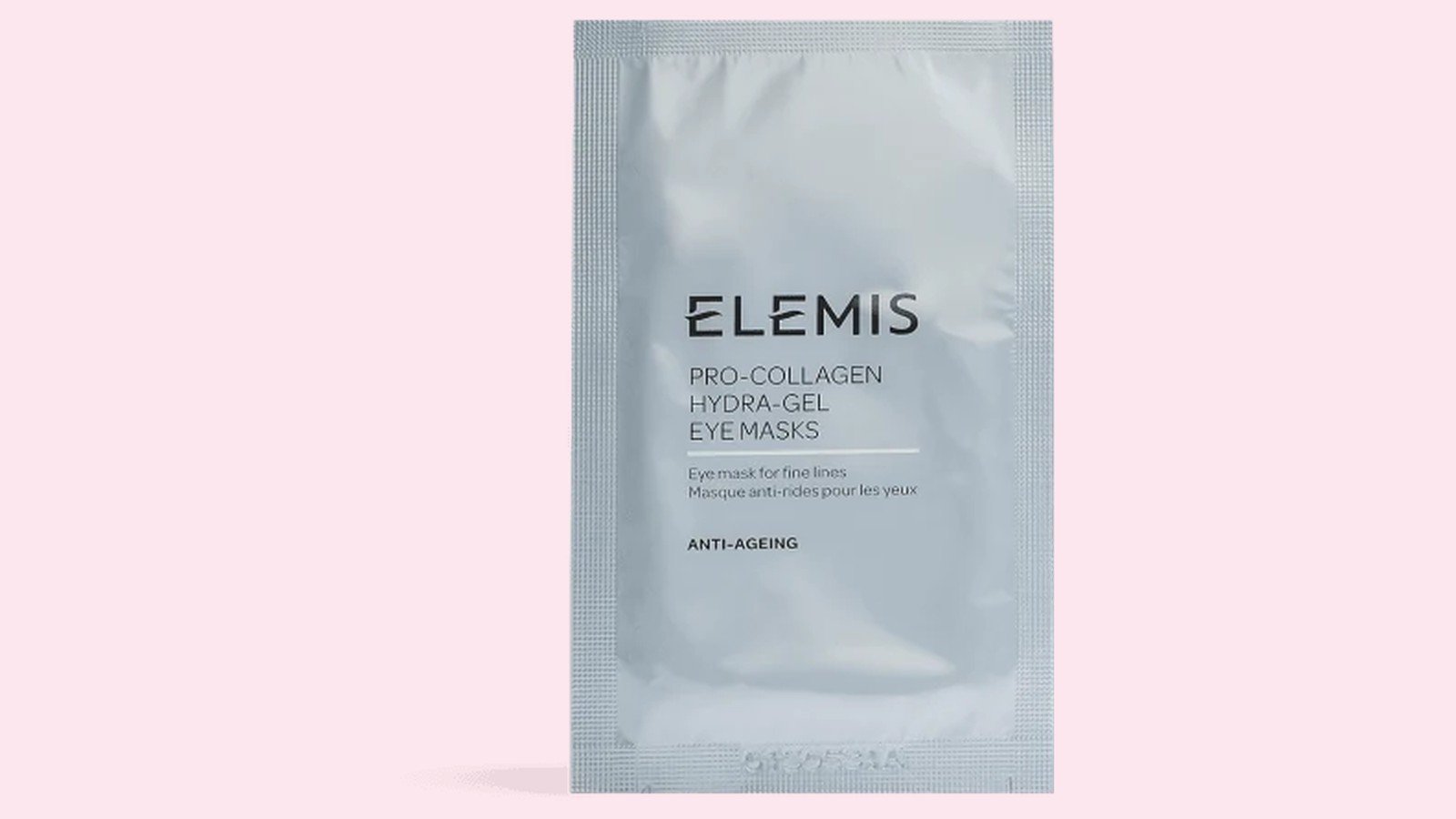
1. ELEMIS Pro-Collagen Eye Revive Mask, best brightening eye mask
The ELEMIS Pro-Collagen Eye Revive Mask is the brightening pick in this guide, and it is the one to use when you want to look rested fast. It is a hydrogel eye mask, which means it is a cool, gel like patch that sits under each eye and delivers hydration directly to the thin skin there. The skin under the eyes is thinner than the rest of the face, so it dries out fast and shows tiredness first. A hydrogel mask rehydrates it in minutes, and hydrated skin looks smoother and brighter, because light reflects off a smooth surface better than a dry, rough one.
Use it after cleansing, on clean skin, before any heavy cream. Place one patch under each eye, smooth it gently so it sits flat, and leave it on for the time on the listing, usually 10 to 20 minutes. Relax while it works. This is a good moment to sit still, which is part of the point. When the time is up, remove the patches, and pat any remaining serum into the skin with your ring finger, gently. Do not rub. Follow with your usual eye cream and moisturizer, then sunscreen in the morning and makeup if you wear it.
Best for: brightening tired eyes, a boost before an event, weekly eye care, hydrated and smooth looking under eyes.
Watch out for: brightening is temporary, about 4 to 8 hours, so time it for when you need it. Do not leave patches on overnight, and do not reuse a pair. Patch test first if your skin is very sensitive. For more on masks and how to choose one, see best face masks for glowing skin.
2. goop GOOPGENES Lift and Depuff Eye Masks, best for puffy mornings
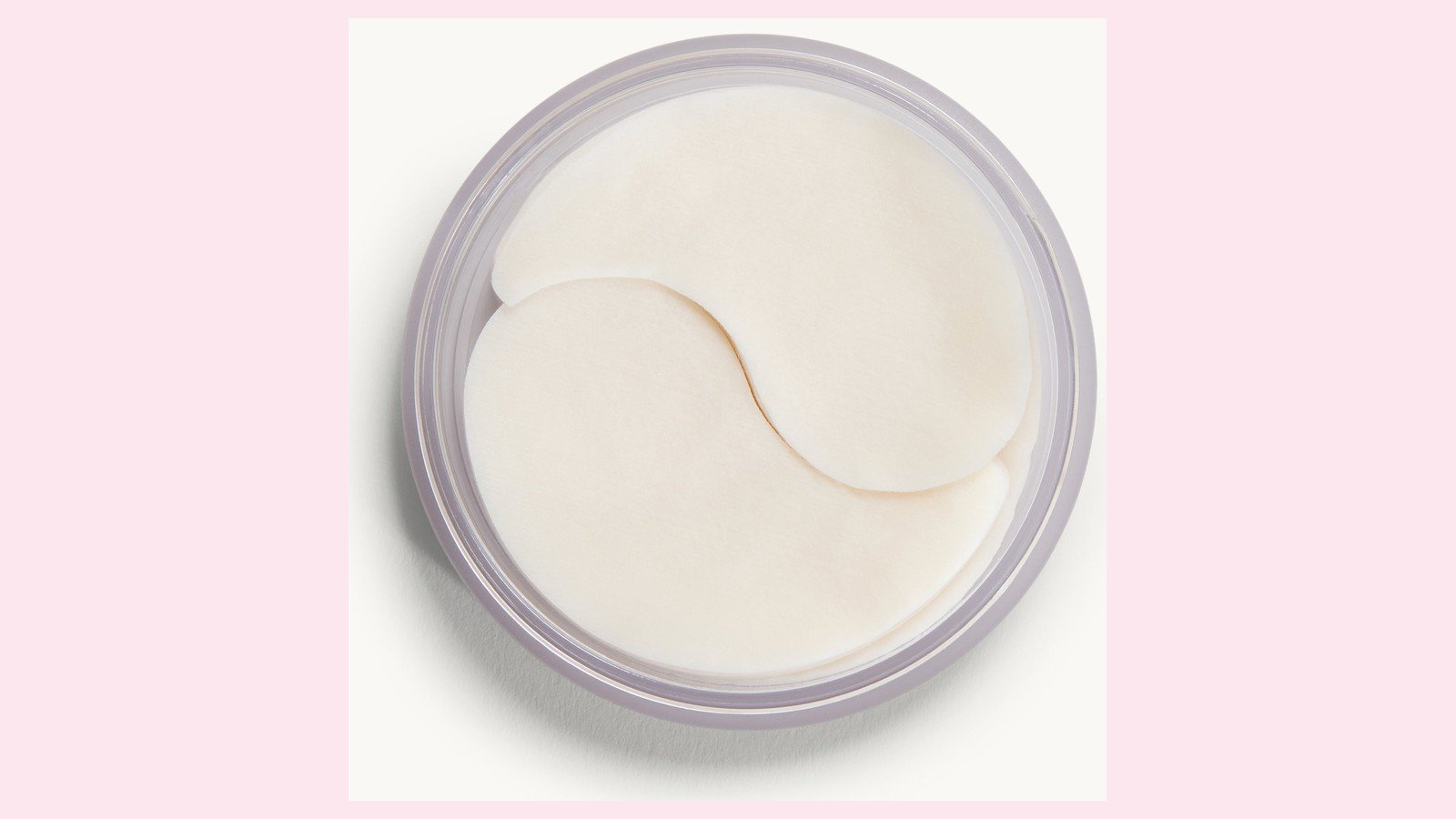
The goop GOOPGENES Lift and Depuff Eye Masks are the puffy morning pick, made for the days when you wake up with swollen under eyes and you need them to look calmer before you leave the house. Puffiness has a different cause from pigmentation. It is fluid and tiredness, often after a late night, a salty meal, allergies, or too little sleep. A depuffing mask works on that cause. It cools, hydrates, and helps the area look tighter and less swollen, so your eyes look more open and awake.
Use these in the morning, after cleansing, before makeup. Place one mask under each eye, leave it on for the time on the listing, then remove it and pat the remaining serum in gently. The cooling feel is part of the effect, so keep the pack in a cool place, or in the fridge if the listing allows it, for an extra refreshing feel. Do not freeze the masks. After the masks, apply a small amount of eye cream and moisturizer, then sunscreen, then makeup. Makeup sits better on hydrated, depuffed skin, and concealer blends more easily when the area is smooth.
These masks are also a good choice before photos, because puffiness shows up clearly in photos and is hard to hide with concealer alone. If you have an early start, a big day, or a late night behind you, this is the pair to reach for first. If your main problem is brown pigmentation rather than puffiness, you still get hydration and a smoother look, but you should also look for vitamin C and niacinamide in your daily routine, because those ingredients help pigmentation over weeks, not minutes.
Best for: puffy mornings, lift and depuff before makeup, tired eyes after a late night, a cooling morning boost.
Watch out for: depuffing is temporary, so use it on the morning you need it. If puffiness is sudden, severe, or comes with pain, redness, or vision changes, see a clinician rather than relying on a patch. For more on moisturizer and how to layer eye care, see how to choose a moisturizer for your skin type.
3. ELEMIS Pro-Collagen Advanced Eye Treatment, best daily eye treatment
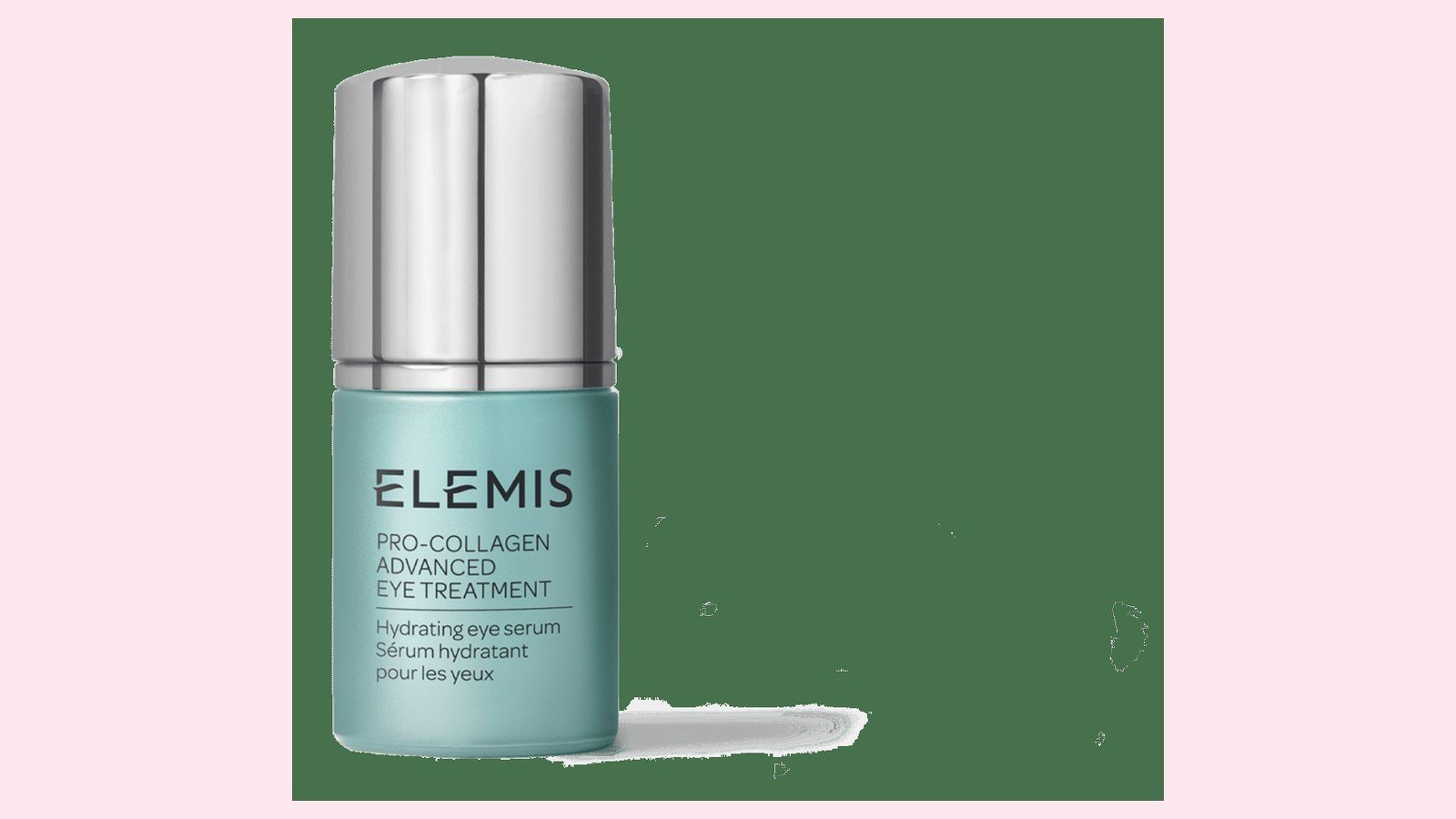
The ELEMIS Pro-Collagen Advanced Eye Treatment is not a patch, and that is exactly why it belongs in this guide. Patches are a boost. This is the daily care that makes the boost work better. It is an eye treatment cream for the delicate skin around the eyes, made to hydrate, smooth the look of fine lines, and support the look of firmness over time. Use it every morning and every night, and use patches 2 to 3 times a week on top of it, not instead of it.
Use a very small amount, about the size of a grain of rice for both eyes. Dot it around the eye bone with your ring finger, which applies the least pressure, and pat it in gently. Do not pull or rub the skin around the eyes. Do not apply it too close to the lash line, and do not use it as a face cream. A little goes a long way, and using too much can cause puffiness or irritation, especially if it migrates into the eyes overnight.
This is the right pick if your dark circles come with fine lines, dryness, or a tired look that does not go away after a good night of sleep. It will not remove hereditary dark circles, and no eye cream will, but steady daily use over weeks can make the eye area look smoother, brighter, and better hydrated, which makes dark circles less obvious. Pair it with daily sunscreen, because sun damage darkens the eye area over time, and the skin there is thin and vulnerable.
Best for: daily eye care, fine lines and firmness, dry under eyes, steady care between patch days.
Watch out for: use a tiny amount only, and patch test first if your skin is sensitive. It is a daily treatment, not an instant fix, so judge it after several weeks of steady use. For more on anti-aging claims and what to believe, see how to read anti-aging cream labels without the hype.
How to choose the best under eye patches for dark circles for your cause
How to choose the best under eye patches for dark circles starts with one question: what is causing yours? Look in the mirror in natural light, after a good night of sleep, and check the colour and the shape. That simple check tells you more than any product label.
If the area is swollen and puffy, especially in the morning, your main cause is puffiness. Puffiness needs caffeine, cooling, and hydration. Pick a depuffing mask, such as the goop GOOPGENES Lift and Depuff Eye Masks, use it in the morning, and keep the pack cool. Sleep with your head slightly raised if you can, drink water, and cut back on very salty food late at night. Those small habits help puffiness more than any patch alone.
If the area is brown or grey, flat rather than swollen, and it does not change much after sleep, your main cause is likely pigmentation. Pigmentation needs vitamin C and niacinamide, used steadily over weeks, plus daily sunscreen. Patches will still brighten for a few hours, because hydration makes the surface smoother, but they will not change pigmentation on their own. Look for vitamin C and niacinamide in a serum or eye product, use it daily, and always wear SPF in the morning, because sun makes pigmentation worse.
If the area is blue or purple, and you can see fine veins through thin skin, your main cause is thin skin showing blood vessels underneath. This is the hardest cause to change, and it often runs in families. Hydration helps, because plump skin shows less of what is underneath, and a brightening patch will help for a few hours. A peach toned concealer, applied thinly on hydrated skin, often helps more than any patch for this cause. Sleep, hydration, and SPF still matter, because tired, dehydrated skin looks thinner and shows more colour.
How to use under eye patches properly
Using patches properly is simple, but the details matter. Start with clean skin. Wash your face gently, pat it dry, and do not apply heavy cream before the patches. Patches need direct contact with clean skin to work. If you apply them over a thick cream, they slide around and do not stick well.
Place one patch under each eye, with the wider end toward the outer corner, and smooth it gently so it sits flat, without air bubbles. Sit or lie down while it works. If you walk around, the patches can slip, especially hydrogel patches, which are heavier than sheet patches. Leave them on for the time on the listing, usually 10 to 20 minutes. Do not leave them on for an hour, and do not sleep in them. Longer is not better. After the recommended time, the patch has delivered what it can, and leaving it on longer can dry the skin out as the patch dries.
Remove the patches gently, and pat any remaining serum into the skin with your ring finger. Do not rinse it off. Follow with a small amount of eye cream, then moisturizer, then sunscreen in the morning. If you wear makeup, wait a minute for the eye cream to settle, then apply concealer thinly, with a damp sponge or your ring finger, pressing it in rather than rubbing. Concealer blends far better on hydrated skin, and you will need less of it after a patch.
Use patches 2 to 3 times a week, not every day, unless the listing says daily use is safe. Your skin does not need a patch every day, and using them too often can irritate the thin skin under the eyes. Store them as directed on the pack, keep them sealed, and never reuse a pair. A used patch has done its job, and reusing it risks irritation.
What patches cannot do, and what actually helps long term
Patches brighten temporarily, for 4 to 8 hours. They do not permanently remove hereditary dark circles, they do not fill hollows, and they do not change thin skin into thick skin. Saying that clearly is not a criticism of patches. It is the reason to use them well, for the job they do, and to pair them with habits that help over months, not minutes.
Sleep matters more than any patch. Aim for 7 to 9 hours a night, on a regular schedule, and keep your head slightly raised if you wake up puffy. Poor sleep makes dark circles look worse in two ways. It increases puffiness, and it makes skin look paler, so dark circles stand out more. No patch can replace a good night of sleep, but a patch plus a good night of sleep is a strong combination.
SPF matters more than any patch too. Sun darkens pigmentation, thins skin over time, and breaks down the support structure that keeps the eye area firm. Use a broad spectrum sunscreen every morning, and reapply if you spend a long time outside. Wear sunglasses on bright days, not only for comfort, but because squinting creases the skin around the eyes and sun reaches the eye area even when you are not looking at it directly.
If dark circles appear suddenly, get much worse quickly, come with swelling, pain, or vision changes, or do not improve with sleep, SPF, and steady care, see a clinician. Sudden changes can have causes that skincare cannot fix, and it is worth getting them checked rather than covering them with patches.

Frequently asked questions
Do under eye patches really work for dark circles?
Yes, for a few hours. Under eye patches hydrate the thin skin under the eyes, smooth the surface, and brighten the area, usually for 4 to 8 hours. They work best for tiredness, puffiness, and dehydration. They do not permanently remove hereditary dark circles, and they do not change pigmentation or thin skin on their own. Use them for the boost they give, and pair them with sleep, SPF, vitamin C, and niacinamide for longer term help.
How long do under eye patches last?
The brightening effect of under eye patches usually lasts 4 to 8 hours. The exact time depends on the product, your skin, and whether you follow with eye cream and moisturizer to seal the hydration in. Time patches for when you need them, such as before an event, a photo, or a long day, rather than using them at night when no one will see the result.
How often should I use under eye patches?
Most people should use under eye patches 2 to 3 times a week. That is enough for a regular brightening boost without irritating the thin skin under the eyes. Use a daily eye cream, such as the ELEMIS Pro-Collagen Advanced Eye Treatment, every morning and night, and use patches as the extra step on the days you need it most.
Are under eye patches better than eye cream?
They do different jobs, and you need both. Patches give a fast, temporary boost, in 10 to 20 minutes. Eye cream gives steady, daily care over weeks. Use eye cream every day, and add patches 2 to 3 times a week when you want extra brightening or depuffing. One does not replace the other.
Which ingredients help dark circles?
It depends on the cause. For puffiness, look for caffeine and cooling ingredients. For pigmentation, look for vitamin C and niacinamide, used steadily over weeks. For dryness and fine lines, look for hyaluronic acid, glycerin, and ceramides, which hydrate and smooth the surface. Always use SPF in the morning, because sun makes pigmentation worse and thins skin over time.
Can under eye patches remove hereditary dark circles?
No. Patches brighten temporarily, for 4 to 8 hours, but they do not permanently remove hereditary dark circles. If dark circles run in your family, a patch will still help you look brighter for a few hours, and daily eye care, sleep, hydration, and SPF will help the area look its best, but no patch or cream will make hereditary dark circles disappear for good. Be wary of any product that promises that.
Should I use under eye patches in the morning or at night?
Morning is usually best, because that is when you need the brightening and depuffing most, and because makeup sits better on hydrated skin after a patch. Use patches after cleansing, before eye cream and moisturizer, and follow with sunscreen. Night use is fine too, especially as a relaxing weekly treat, but the visible effect will have faded by morning. For more on routines, see our face mask guide at best face masks for glowing skin.